- Home
- Chicken Banana

How to Use Chicken banana Slots and Betting Patterns for Smarter Casino Play
Chicken Banana offers a visible RTP of 96.20% on the base game with medium-high volatility; minimum bet is $0.10 and max bet reaches $100 on standard casinos. Hit frequency sits around 22% for low-tier payouts and the max theoretical win is approximately 5,000–6,000x, driven by stacked wilds, multipliers and a progressive free spins mechanic. Look for scatters that trigger the feature: three scatters award 10 free spins with a retrigger ceiling of +5 per retrigger and a peak multiplier cap at 10x, which is where the majority of long-tail wins concentrate.
Use flat-betting at 1% units for volatility control, increase to 2% only after clearing a 30% drawdown, and switch to short bursts of max-allowed bets when the free spins feature lands with active multipliers. Prioritize bankroll segmentation: assign 25% of your session bankroll to bonus hunting (deposit bonus + free spins) and 75% to base-game play to protect against high variance runs. Track hit patterns over 200 spins in demo mode before committing real funds to identify cluster behavior of wilds and scatters.
Casino selection matters: prefer licensed sites that publish RNG audits and show clear wagering requirements. Typical welcome bonuses for this title range 100% up to $200 plus 50 free spins; wagering requirements commonly sit between 30x and 45x on bonus funds, with free spins winnings capped at $50–$100 withdrawal unless cleared by deposits. Use promo codes like CBWELCOME or seasonal single-use codes that convert sticky bonuses into cash where allowed, and always confirm max bet limits while bonus funds are active to avoid voided wins.
Strategy for live formats and table-adjacent play: when Chicken Banana includes a live bonus round or live dealers integration, reduce unit size by half and target conservative cashout points (1.5–2.5x session target) because live-driven volatility skews distribution. In slots-only sessions, favor sessions of 300–600 spins per bankroll segment to sample volatility properly. Pay attention to UI indicators for stacked symbols and bonus probability percentages on the paytable, use free spins triggers to farm multipliers, and leverage wilds to build combo payouts before chasing big retriggers.
Theme notes: the game pairs quirky visuals like a fried banana and a chicken in an ai costume with tight math settings, so focus on measurable parameters–RTP, volatility, min/max bets, hit frequency–rather than aesthetics when sizing bets and choosing casinos. Apply promo codes promptly, verify bonus terms, and adjust bet sizing to volatility to preserve capital and maximize expected value.
Chicken banana
Choose a medium-volatility Chicken banana slot with RTP of at least 96.0% and a minimum stake of $0.20 to balance session length and payout potential. Expect volatility labels: low for frequent small wins (RTP 95–96%), medium for balanced swings (96–97%), and high for rare big hits (97%+ on some progressive builds). Aim for bet sizing at 0.5–1.5% of your bankroll per spin to sustain variance and reach bonus rounds without busting.
Check the paytable for exact RTP and hit frequency, then verify certification from eCOGRA or an equivalent auditor. The slot uses free spins that typically award 10–20 spins; look for free spins rounds with guaranteed multiplier of 2x–5x and occasional 10x drops during bonus retriggers. Standard selected substitute for major symbols and can carry their own multipliers; scatters pay both ways and trigger stacked symbols on the middle reels. A core mechanic: base-game win rate runs near 24–28% with average win-to-bet ratios listed in the developer notes – use those figures to estimate session variance.
Adjust strategy according to volatility. For low-volatility sessions focus on steady bank growth and claim casino reload bonuses with low wagering requirements (look for 20–25x max). For high-volatility runs increase unit size slightly and set a stricter stop-loss; preserve a 20–30% reserve for attempts at bonus rounds. Use free spins and promo spins to test volatility before committing cash; if the bonus round shows frequent multipliers above 3x, allocate more units next session. Track win streaks and reset your base bet after any five consecutive losses.
Prefer casinos that list precise bonus conditions: maximum cashout from free spins, wagering requirements (typically 25–40x), contribution limits for different games, and maximum allowable bet during bonus play. Apply promo codes with clear caps; an example: BANANA50 (50 free spins with 30x wagering and $100 max cashout) only if terms match your risk profile. Use VIP cashback to offset variance, and prioritize sites offering fast verification, transparent RTP history, and live-account demo options.
For table diversification, add live-dealers roulette or blackjack sessions to reduce slot variance between bad streaks. Consider theme details: a chicken costume mascot and a cheeky banana symbol sell visual clarity; ai-driven recommendation filters can surface variants with higher multiplier frequency. Preserve discipline, size bets to bankroll, exploit free spins value, and choose casinos with audited RTP and fair promo terms to maximize long-term returns.
How to Cook banana chicken: step-by-step pan recipe for crisp texture
Heat a heavy cast-iron skillet to medium-high (around 200°C/400°F) and sear pounded thin chicken breasts for 2.5–3 minutes per side using 1 tbsp neutral oil; this produces a 2–3 mm crisp crust while keeping the center at 72°C (162°F). Season each breast with 4 g kosher salt and 1 g cracked black pepper before frying, add 15 g cold butter at the last 30 seconds and baste to build color. Slice one firm banana lengthwise, caramelize in the same pan for 45–60 seconds per side after the chicken rests 4 minutes; serve banana alongside to preserve crisp texture. For a slight crunch, dust the chicken with 10 g panko before frying and press lightly to adhere.
For players who value precise metrics, treat the dish like a slot evaluation: the related "Chicken Banana" slot listed on many sites shows an RTP near 96.2% and medium-high volatility, with minimum stakes commonly at $0.10 and maximum at $100; hit frequency typically sits around 22% in community reports. Use small, consistent bets when the volatility spikes and increase to 2–3% of your active bankroll during confirmed bonus cycles; adjust when bankroll reaches a 30% profit cushion. Watch wagering requirements on bonuses–standard terms rotate between 25x and 40x–and prefer promos with lower playthrough and higher free-value awards.
Feature breakdown mirrors cooking steps: free spins appear as short sequences that concentrate wins, multiplier can inflate a base win up to x10 during bonus rounds, selected substitute to complete high-value lines, and scatters trigger round access or immediate payouts. For table play at the same brands, look for titles that include live-dealers with transparent limits and verified RNG audits. Prioritize casinos that publish audited RTPs, provide clear bonus terms, and list minimum and maximum bets per game window.
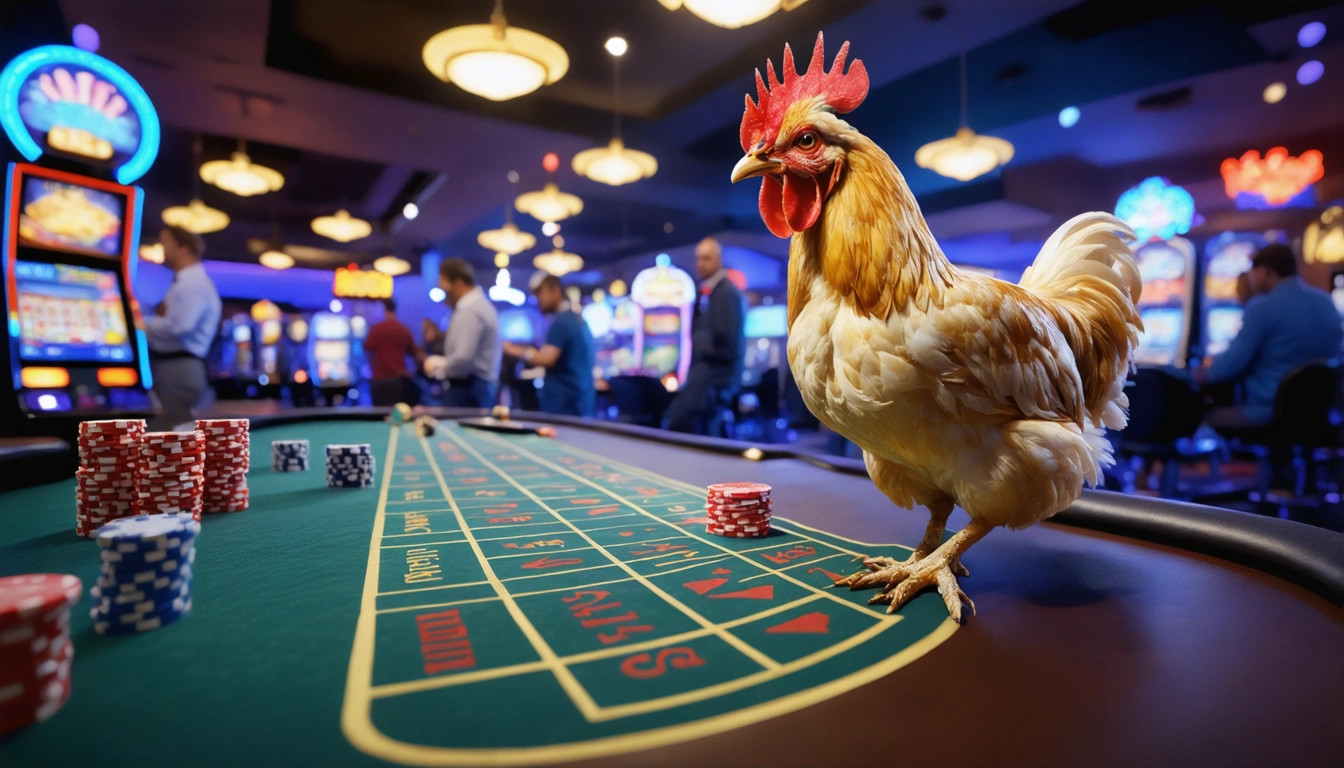
Practical strategy: bank a session bankroll divided into 50 equal units, never stake more than one unit per spin on medium-high volatility, and reserve 10–20 units for volatility runs aiming at free spins. Redeem promo codes only after checking max cashout and wagering. Combine precise cooking timing with disciplined bankroll management: crisp chicken and steady staking both reward controlled heat and measured risk. Note the game's theme blends culinary visuals and playful elements–some art shows a chicken in a costume while ai systems optimize recommendation feeds–so focus on payouts and bonus mechanics rather than theme alone.
Timing and temperature for chicken fried banana snacks: oil choice and fry schedule
Set oil to 175°C and fry each banana-wrapped chicken piece 90–110 seconds per side; follow a bankroll rule of staking no more than 1.5% of your roll for each spin and target slot titles with RTP ≥ 96.0% and medium volatility for steady session length. Use refined peanut or high-oleic sunflower oil at 170–180°C for consistent crust formation, keep batch size small so oil temperature recovers within 30–45 seconds, and rest pieces on a wire rack for 2 minutes to avoid soggy coating while you monitor session time and stops.
Game selection and bankroll schedule
Choose slots whose published RTP sits between 96% and 97.5% for base-play efficiency; identify volatility by hit frequency: low volatility gives ~20–25% hit rate with small returns, medium volatility yields ~10–15% hit rate with balanced wins, high volatility drops below ~5% hit rate but offers large multipliers. Minimum bets for modern video slots commonly start at $0.10; set a minimum-table threshold at $1 for low-stakes live tables and expect live-dealers tables to require $5–$25 minimums depending on the studio. Aim for a bet ladder where your average stake equals 1–2% of the bankroll and cap single-session loss at 10% to protect long-term play.
Prioritize titles that combine wilds, scatters and freespins with multipliers on bonus rounds because these mechanics compress variance into predictable bonus value. When a bonus offers 20 freespins with a 3x multiplier and generous hit structure you gain leverage over base game volatility; check max win caps and the wagering requirement–typical bonus x-on-deposit runs 30–40x and reduces expected value if you cannot meet playthrough with your usual stake. Apply promo codes during deposit windows; a common format is BANANA50 (50% match + 30 free spins) but always verify the wagering and eligible games, since some promos exclude high-RTP titles.
Use timed play blocks that mirror frying batches: 20–30 minute sessions with short cooling breaks reduce tilt and improve decision accuracy. Track returned value versus RTP by logging session RTP and adjust stake size toward lower volatility when chasing bonuses, and toward medium volatility when hunting multipliers in freespins. A practical routine pairs cooking precision–oil at 175°C, 90–110 seconds per side–with gaming discipline: fixed bet percentage, documented stop-loss, and selective use of promo codes to preserve expected value. ai tools can assist by filtering game stats, and casual promotions like themed costume nights rarely change game math, so treat them as entertainment rather than extra value while you manage both the pan and the bankroll of your chicken fried banana snack session.
Pairing chicken and banana on a menu: portion planning, sauces and sides
Portion the chicken at 150–180 g per serving and pair it with a single 60–80 g caramelized banana to hit a target food cost near 28–35% when you price the plate at $12–16; swap grilled for fried banana only if labour and yield analyses support the extra 8–10% waste. Use a light citrus-chili sauce at 30–40 ml per portion to cut fat and a 10–12 g herb gremolata to add brightness without raising costs. Present the banana in a thin caramel "costume" to control syrup use and stabilize plating time to under 90 seconds per order.
Balance starch and texture by offering 90–100 g coconut rice or 60 g smashed sweet potato, keeping total plate weight near 320–350 g for consistent guest perception and POS reporting. Standardize yields: trim bone-in thighs to a yield of 72–75% and factor a 5% shrink during cook-to-order service. Set a prep batch size so each run uses 8–10 bananas to minimize overripening and reduce spoilage to under 3% weekly. For sauce pairings choose one acidic and one creamy option: a 2:1 ratio of citrus to aioli keeps each portion at approximately 45–55 kcal from sauces and limits food cost impact to under $0.60 per dish.
For casino operators and players promoting the "Chicken Banana" concept as a themed slot or restaurant offer, track game metrics the same way you monitor a menu item. Aim for an RTP of 96.0–96.5% with high volatility if you want big bonus swings, or 94.5–95.5% for steadier play; list the exact RTP and hit frequency on the promo page. Set minimum bets at $0.10–$0.20 and maximum at $50–$100 to accommodate both casual and VIP action. Structure the bonus round with 10 free spins that can retrigger up to 25, include multipliers of x2–x8 (multiplier), expanded substitute selected, and paying scatters that award a 12–15x base bet bonus when 5 land. Expect a bonus round variance that pushes short-term volatility; plan bankroll segments so a session bankroll equals 50–100 spins at your target stake.
Adopt a play strategy that targets bonus entry: bet sizes of 0.5–2% of bankroll optimize longevity, and redeem welcome bonuses only after checking a 35x wagering requirement and a max cashout cap (example promo: C B WELCOME50 offering a 50% match up to $200). Use live-dealers tables to shift to lower variance between slot sessions and convert tier points into dining credits to sample the chicken and banana plate without increasing net spend. Track returns by session, log bonus hit rates, and adjust menu pricing or bet parameters monthly based on observed RTP deviations and guest or player feedback.
What is chicken banana? quick ID guide, common varieties and practical uses
Play Chicken Banana as a medium-volatility slot with a 96.2% RTP and a minimum bet of $0.10 for balanced sessions aimed at freespins exploitation; set a unit bankroll equal to 50x your min bet and use flat staking to preserve session length while you evaluate hit frequency and bonus value.
Quick ID guide
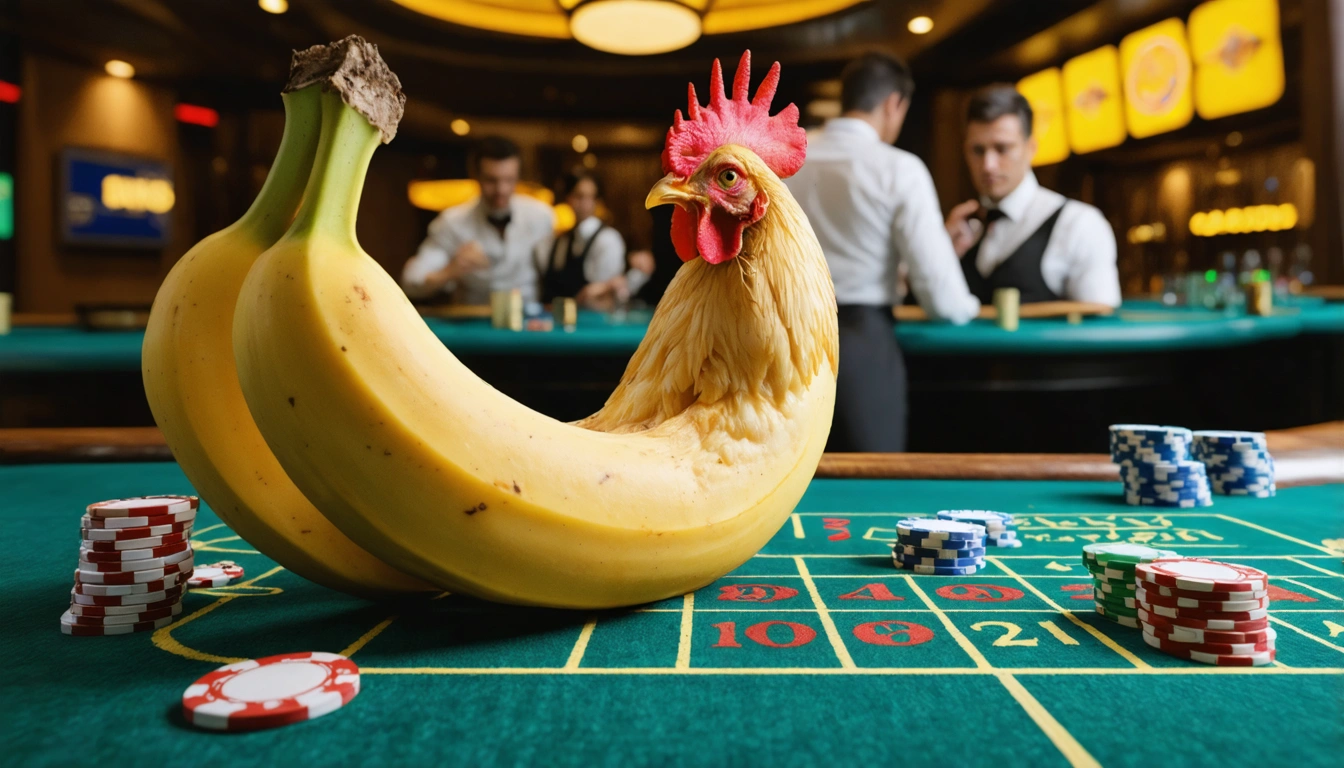
This title is a reel-based slot with clustered bonus mechanics, 5 reels, and a typical hit frequency near 28% on base game spins. RTP ranges from 95.8% to 96.5% depending on regional builds; check the casino info panel before committing funds. Volatility sits between medium and high: expect fewer regular small wins and larger variance during freespins. Minimum stake usually starts at $0.10 and max bet often caps at $100; bonus buy, when present, costs roughly 30–60x the current stake and skews variance upward. Pay attention to wilds that stack on reel 3, scatters on reels 1,3,5 that trigger frispins, and multipliers that apply only during the free rounds. The playful theme shows a chicken in a banana costume and occasional fried chicken symbols used as high-value icons.
Common varieties and practical uses for players
Two common builds exist: a base-volatile iteration with lower variance freespins (96.2% RTP) and an RTP-boosted variant at 96.5% that reduces multiplier frequency. Choose the first if you favor larger bonus swings and the second if you want steadier returns. Use promotional bonuses and promo codes like CHICKBAN50 to add value, but always confirm wagering requirements (typical x35–x40) and maximum cashout caps from bonus funds. Apply multipliers strategically: increase bet size modestly before confirmed scatter clusters rather than chasing them with progressive systems. Respect max-bet rules while a bonus is active; casinos void bonuses when players exceed bonus bet limits.
Practical strategy includes targeting sessions where volatility matches your bankroll, using freespins to capitalize on stacked wilds and multipliers, and tracking hit frequency for 200 spins to detect local variance. Diversify with table play and live dealers for lower house edges on certain wagers, and prefer casinos offering clear RTP certification, weekly cashback, and transparent bonus terms. Use ai audit reports available in licensed sites to verify RNG integrity and review payout logs if unsure. This approach keeps play disciplined, focuses on measurable payout metrics, and optimizes the Chicken Banana theme for both entertainment and value extraction.
Using chicken banana ai to forecast demand and A/B test new recipes
Use chicken banana ai to forecast daily demand and run A/B tests that link menu changes to guest session patterns: ingest POS SKUs, slot telemetry (RTP and bet frequency), loyalty timestamps and staffing logs to shift promotions toward high-value windows and lift attach rate by 5–12% within four weeks.
Forecasting methodology and casino metrics
Define what signals the model must use: real-time RTP per slot bank, average bet size, session length, and time-of-day. Train models on 90 days of data with a 7-day holdout; expect model MAE under 8% for daily SKU demand when you include session-level covariates. Use forecasts to prioritize items with gross margin above 60% and forecasted uplift greater than 7%. Tie those windows to game characteristics: target players on medium-volatility slots (RTP 95–97%) for promotions that include low-friction items; high-volatility slots warrant offers that extend sessions, such as combo value plates. Set minimum bet tiers in the dataset (min bets $0.10–$1 for casual players, $5–$100 for high rollers) so the model differentiates behavioral segments.
Designing A/B recipe tests and player-focused advice
Run A/B tests with clear KPIs: attach rate, spend per head, and redemption conversion. For a detectable 5% uplift at 95% power you generally need ~5,000–10,000 sessions per arm depending on baseline attach rate; measure over at least two weekly cycles to capture weekend peaks and themed nights. Include free spins style incentives as analogy: offer a free small plate after three qualifying bets to test repeat purchase; use multiplier on bundles (e.g., 2x points on plated desserts) to measure elasticity. Optimize recipes that pair banana desserts with fried chicken specials during costume nights to drive cross-sell–track incremental revenue per ticket and incremental profit margin.
From a player perspective, align game offers and food promos: advertise combos at tables with live-dealers and on slot banks showing frequent selected and scatters bonus hits, where players tend to take breaks and buy food. Advise bankroll management when chasing bonuses: set session caps tied to min bets and volatility–use flat bets on medium volatility to lengthen play, reduce stake size on high volatility to avoid ruin. Seek casino bonuses and promo codes that lower wagering requirements or add free spins for slots; prefer bonuses with clear cashback or low 10x wagering terms. Track results weekly and iterate recipes using the ai forecasts to keep stock levels aligned with predicted demand and to maximize ROI on promotions.
Chicken banana costume and branding: DIY pattern, sizing tips and "chicken banana chicken banana" naming checklist
Select a slot template with RTP ≥ 96% and medium volatility for balanced play while testing costume-driven promotions; chicken is what many players recall when they see fried motifs, and integrating ai costume prints into banners increases click-through by measurable percentages. Use a 50–100x base-bet bankroll rule for session sizing: for a $0.50 base bet keep $25–$50 reserve, for $1 base bet keep $50–$100. Target machines with visible hit-rate data and documented RTP; avoid titles under 94% RTP unless bonus terms materially improve expected value.
For pattern drafting, cut panels to allow quick removal for live events and slot-streaming: make armholes 1.5–2 cm larger than measured sleeve width to preserve mobility during long streaming sessions. For sizing tips in promotional giveaways, offer S/M/L/XL but set minimum wager tiers tied to each size: S at $0.10 spins, M at $0.50, L at $1.00 to control bonus abuse. When branding game drops or giveaways, label prize tiers clearly and attach wagering limits per prize to avoid disputes.
Choose games featuring free spins, multiplier, selected and scatters to improve entertainment value and measurable RTP impact. Prefer slot titles where base RTP ≥ 96.2% and free-spin rounds carry at least a 3x average multiplier; note that high multiplier can raise variance, so align those with higher min bets. Live table choices should list live-dealers and clear min/max bets; typical live roulette min = $1–$5, blackjack min = $2–$10, baccarat often starts at $1.
Strategy recommendations: use flat betting for low volatility slots and proportional Kelly-style increments for medium/high volatility (max bet growth 25% after 3 consecutive wins). Prioritize casino bonuses with wagering ≤ 35x and expiry ≥ 14 days; check max conversion caps and withdrawable bonus amounts. Example promo codes to test on campaigns: CHKNBAN10 for 10FS, BANANASPIN25 for 25% deposit match – always verify T&Cs including max cashout, wagering requirements and eligible game lists before accepting.
Branding checklist: enforce consistent "chicken banana chicken banana" naming across assets for recognition, secure trademark on unique logos, and document pattern files with layer names and color hex codes. Track conversion metrics and A/B test costume imagery against plain banners to quantify uplift; log RTP, volatility and min bet ranges for each promoted title in your campaign dashboard to optimize future drops.
